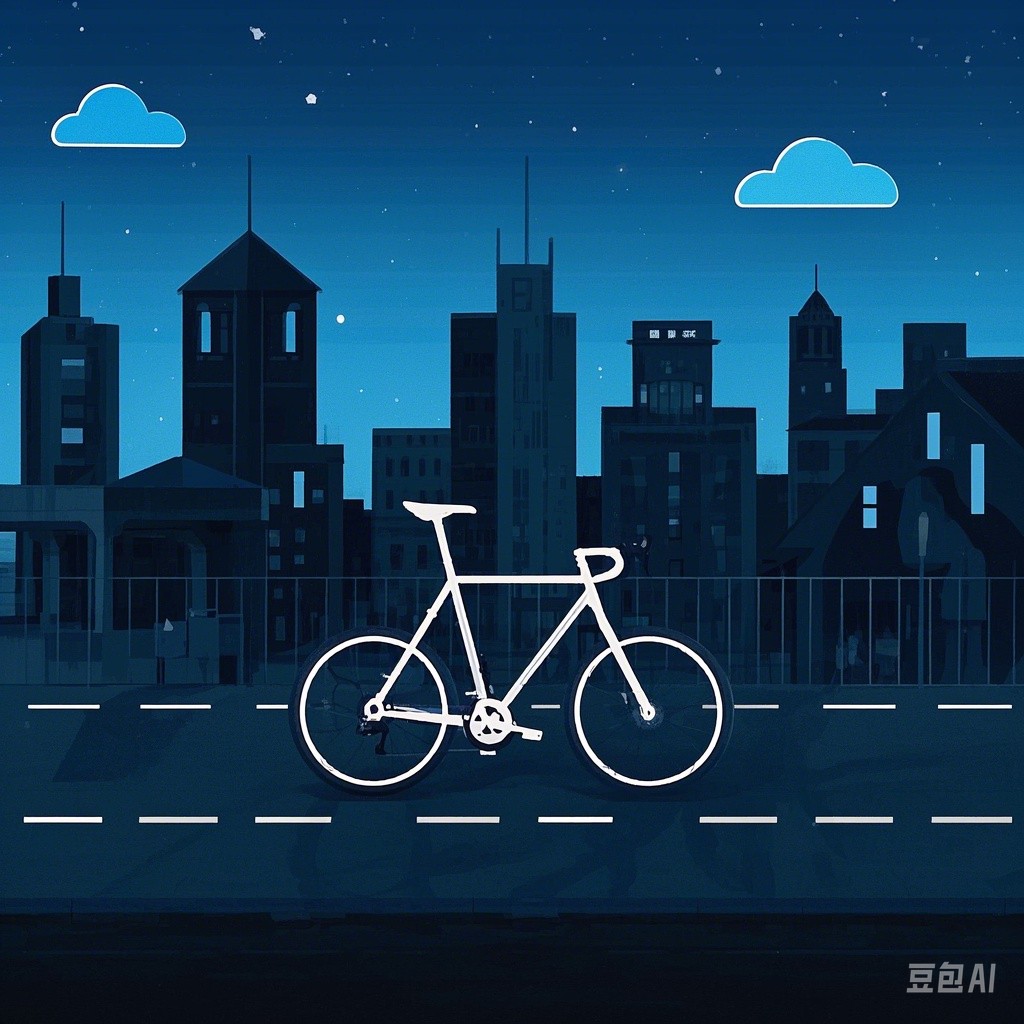
In the bustling heart of cities around the world, there’s a silent revolution taking place. It’s not about loud protests or dramatic announcements; it’s a quiet, determined shift towards a more sustainable, healthier, and connected urban lifestyle. This revolution is powered by the wheels of bicycles, and its warriors are the everyday cyclists who are reshaping the urban landscape one ride at a time. Let’s dive into the world of urban cycling and explore why these warriors are not just pedaling through the streets but also driving change.
The Urban Cycling Movement
The urban cycling movement is a diverse community of individuals who share a common passion: the bicycle. These cyclists range from fitness enthusiasts to eco-conscious citizens, from city dwellers to commuters. What binds them together is their commitment to making cities more bike-friendly and their belief in the transformative power of cycling.
The Rise of Urban Cycling
The surge in urban cycling can be attributed to several factors:
- Environmental Concerns: With rising carbon emissions and climate change concerns, more people are looking for sustainable modes of transportation.
- Health Benefits: Cycling is a great form of exercise, offering numerous health benefits like improved cardiovascular fitness, muscle strength, and mental well-being.
- Traffic Congestion: In many cities, traffic congestion is a daily battle. Bicycles offer a faster, more efficient way to navigate urban roads.
- Economic Factors: For many, cycling is a cost-effective alternative to car ownership and public transportation.
Urban Cycling Infrastructure
To support the growing cycling community, cities around the world are investing in better infrastructure. This includes the construction of bike lanes, bike-sharing programs, and bike parking facilities. These initiatives not only make cycling safer but also encourage more people to take up this mode of transport.
The Cycling Warriors: A Profile
Cycling warriors are a unique breed of urban cyclists. They are passionate, dedicated, and often at the forefront of the urban cycling movement. Here’s a closer look at who they are:
The Commuter
The commuter is a common sight on urban streets. They cycle to work to save time, avoid traffic, and get a bit of exercise. Their bikes are often equipped with accessories like panniers for carrying their belongings and lights for safe night riding.
The Fitness Enthusiast
The fitness enthusiast cycles for the pure joy of it. They might be seen on long rides through the city, exploring new neighborhoods and enjoying the outdoors. Their bikes are often high-performance, designed for speed and comfort.
The Eco-Citizen
The eco-citizen is driven by a desire to reduce their carbon footprint. They cycle to demonstrate their commitment to sustainability and encourage others to do the same. Their bikes might be older models or converted from cars, symbolizing a shift towards a greener future.
The Urban Planner
The urban planner is a key player in the cycling movement. They work to design and implement bike-friendly infrastructure that makes cycling safer and more accessible for everyone.
The Power of the Urban Bike Ride
So, what is it about the urban bike ride that has made it such a powerful force for change? Here are a few reasons:
Health and Well-being
Cycling is a low-impact exercise that can be enjoyed by people of all ages and fitness levels. It’s a great way to stay healthy, reduce stress, and improve mental well-being.
Environmental Sustainability
Bicycles produce zero emissions, making them an eco-friendly alternative to cars and other motor vehicles. By choosing to cycle, urban warriors are contributing to a healthier planet.
Economic Benefits
Cycling can save money on transportation costs. It also reduces the need for parking spaces, which can be a significant expense for cities.
Social Connection
Cycling can bring people together. It’s a shared experience that fosters a sense of community and connection among urban cyclists.
Challenges and Solutions
While the urban cycling movement is growing, it’s not without its challenges. Here are a few of the most common issues and potential solutions:
Safety Concerns
One of the biggest challenges for urban cyclists is safety. To address this, cities need to invest in better infrastructure like bike lanes and traffic calming measures.
Lack of Awareness
Many people are unaware of the benefits of cycling. Educating the public about the safety and environmental benefits of cycling is crucial.
Parking and Storage
Finding secure parking for bicycles can be a challenge. Cities can help by providing more bike racks and bike storage facilities.
The Future of Urban Cycling
The future of urban cycling looks bright. As cities continue to invest in bike-friendly infrastructure and as more people discover the joys of cycling, we can expect to see an even greater shift towards this sustainable mode of transportation.
Urban Cycling in the Post-Pandemic World
The COVID-19 pandemic has highlighted the importance of public transportation and personal mobility. As the world emerges from the pandemic, urban cycling is likely to play an even more significant role in the post-pandemic urban landscape.
Technology and Urban Cycling
Technology is also set to play a role in the future of urban cycling. Apps and smart devices can help cyclists find the best routes, track their fitness, and even report maintenance issues on bike lanes and infrastructure.
Conclusion
The urban bike ride is more than just a mode of transportation; it’s a symbol of progress, sustainability, and community. Cycling warriors are at the forefront of this movement, and their dedication is reshaping the urban landscape one ride at a time. As more people join their ranks, the future of urban cycling looks promising, and with it, a brighter, healthier, and more sustainable future for all.